60+ short moral stories for kids in 2026
Discover 50 short moral stories for kids that teach important life lessons like honesty, kindness, and responsibility in a fun and simple way.
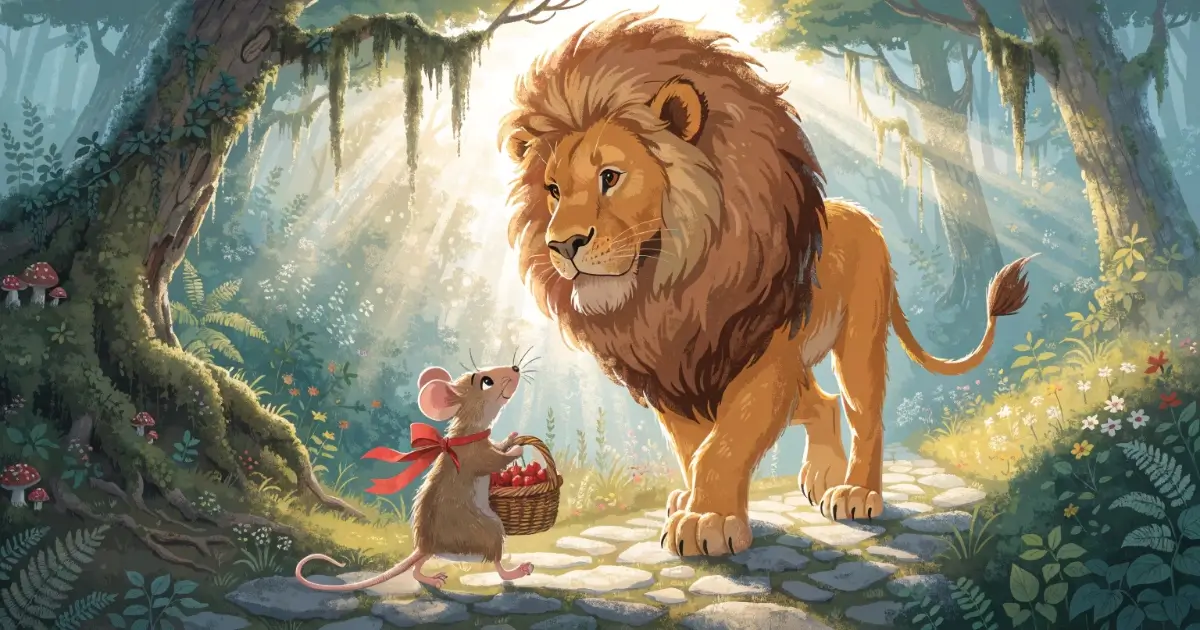
Short moral stories are a wonderful way to teach children important values in a simple and engaging way. These stories not only entertain but also help kids understand concepts like honesty, kindness, responsibility, and respect.
In this collection, you will find some of the best short moral stories for kids that are perfect for bedtime, classroom learning, or family reading time.
Why Short Moral Stories For Fids Are Important
Moral stories help children:
Learn right from wrong
Develop empathy and kindness
Improve imagination and creativity
Understand real-life situations through simple examples
These stories leave a lasting impression and help shape a child’s character from an early age.
Short Moral Stories for Kids
1. The Little Kitten and Responsibility
A playful kitten was given money to buy soy sauce but spent the leftover on treats without asking. Although it completed the task, its mother gently explained that responsibility also means respecting trust and using money properly. The kitten learned to ask before making decisions.
Moral Lesson: Responsibility means respecting trust—always ask before using what is not yours.
👉 Read the full story here: The Little Kitten and the Soy Sauce Lesson
2. The Turtle and the Geese (A Short Moral Story for Kids)
In this classic short story with a moral, two geese tried to help their turtle friend escape a drying pond by carrying it through the sky. However, during the journey, the turtle lost self-control and spoke despite the warning. This small mistake led to a tragic ending, showing how one moment can change everything.
Moral Lesson: Self-control is essential - this is one of those timeless moral stories for kids that teaches an important life lesson about patience and discipline.
👉 Read the full story here: The Flying Turtle
3. The Golden Bird
A woodcutter rescued a beautiful silver bird that brought joy into his life with its songs. However, after hearing about a more magnificent golden bird, he became obsessed and stopped appreciating what he already had. Only when the silver bird left did he realize it had been the golden bird all along.
Moral Lesson: Chasing something better can make you lose what you already have—true happiness lies in appreciation.
👉 Read the full story here: The Golden Bird
4. The Leaking Bucket
A cracked bucket felt ashamed for losing water on the way back from the well each day. However, the servant revealed that the leaking water had been used to nourish flowers along the path, creating beauty and purpose. What seemed like a flaw had quietly become something valuable.
Moral Lesson: Your imperfections do not make you useless - when used wisely, they can create unexpected beauty and value.
👉 Read the full story here: The Leaking Bucket
5. A Cinderella Lesson from an American Elementary School
A teacher used the story of Cinderella to guide students in thinking beyond the surface, exploring different perspectives and deeper life lessons. Through simple questions, the students learned about empathy, self-love, friendship, and critical thinking. The story became not just a fairy tale, but a way to understand real life.
Moral Lesson: True learning comes from understanding life lessons—think critically, love yourself, and value others’ perspectives.
👉 Read the full story here: A Cinderella Lesson from an American Elementary School
6. The Squirrel and the Magical Hat (A Kindness Story for Kids)
On a hot summer day, a little squirrel shared its last drop of water with a thirsty fairy and received a magical hat in return. As it continued its journey, the squirrel selflessly shared the hat with other animals in need, until it finally chose to use it to help everyone. This heartwarming short story with moral shows how one act of kindness can grow into something much greater.
Moral Lesson: Kindness grows when shared - this is one of those inspiring moral stories for kids that teaches empathy, generosity, and thinking beyond oneself.
👉 Read the full story here: The Squirrel and the Magical Hat
7. The Butterfly Who Chose the Sky (An Inspirational Story with Life Lessons)
In this short story with moral, a butterfly chose to fly higher and see the world from a different perspective, discovering safer and better opportunities. While others stayed in their comfort zone, it found a new path that allowed it to thrive. Despite its warnings, others ignored the chance to rise above and remained unaware of greater possibilities.
Moral Lesson: Comfort can limit growth—this is one of those moral stories for kids that teaches us to explore new perspectives and embrace better opportunities in life.
👉 Read the full story here: The Butterfly Who Chose the Sky
8. The Turtle and the Partridge
A turtle and a partridge both became mothers, but jealousy led the turtle to swap their babies. When the truth was questioned, a wise elder tested them. The turtle agreed to harm the child, while the partridge chose to give up her baby to protect him.
Moral Lesson: True love reveals itself through sacrifice. Real care protects, even at the cost of loss.
👉 Read the full story here: Two Mothers and Their Children
9. The Snake and the Lamb
A snake lay hidden beneath a wooden trough, filled with hatred toward the entire world. It had no other feelings, only hatred, for that was its nature. Nearby, a lamb was happily jumping and playing, completely unaware of the snake. Suddenly, the snake struck and bit it with its venomous fangs, causing the lamb to collapse immediately. As the poison spread through its body, the lamb weakly asked, “What have I done to offend you?” The snake replied, “Who can be sure? Perhaps you came here to harm me. I must be cautious, so I bite first.” The lamb cried out and died. There are people in this world like that, who have no love and know nothing of friendship, whose hearts are filled only with hatred, and harming others is their instinct.
Moral Lesson: Some harm comes not from reason, but from nature. Not everyone acts with fairness or logic.
10. The Fisherman and the Turtle
A fisherman once caught a sea turtle and brought it home, treating it like a treasure. However, the turtle refused to eat, drink, or move, and only kept crying. When asked why, it said its heart belonged to the ocean. Because of his love, the fisherman could not let it go. After a long time, seeing the turtle grow weaker, he finally released it. A year later, the turtle returned to visit him and said it could not forget him. The fisherman realized that when he tried to keep it, he could not win its heart, but when he let it go, he gained it.
Moral Lesson: True connection cannot be forced. Letting go often creates what control cannot.
11. The Story of the Sacred Flame
A man traveled far to bring back a sacred fire, facing hardship and never giving up. On the way home, he shared his flame with a freezing stranger. Later, a storm extinguished his fire, leaving him devastated.
But then he realized: the fire still lived in the person he helped.
Moral Lesson: What you give to others is never truly lost. Kindness, when shared, creates a path that can return to you when you need it most.
👉 Read the full story here: The Story of the Sacred Flame
12. A Man Who Planted for the Future
An old man planted trees despite being mocked by young men who said he wouldn’t live long enough to enjoy them. He calmly replied that he was planting for future generations. Later, the young men passed away unexpectedly, proving life is unpredictable.
Moral Lesson: True wisdom lies in thinking beyond oneself. A meaningful life is built not only on what we gain, but on what we leave behind for others.
👉 Read the full story here: A Man Who Planted for the Future
13. The Busy Fly
A carriage struggled uphill while a fly buzzed around, believing it was helping. It flew everywhere, complained about others, and thought it was doing all the work. In the end, the horses pulled the carriage forward without any help from the fly.
Moral Lesson: Not all activity is useful. Being busy does not mean being helpful, and interfering without real contribution is often meaningless.
👉 Read the full story here: The Busy Fly
14. The Hippo Magician
A magician amazed the audience by pulling a dove from his hat. A greedy fox, impatient and eager to try, rushed on stage without permission. Instead of magic, it grabbed a hedgehog and got hurt.
Moral Lesson: Greed and impatience often lead to self-inflicted consequences. Acting without permission or thinking can turn curiosity into pain.
👉 Read the full story here: The Hippo Magician
15. Stop Dreaming, Start Doing: The Monkey and the Sloth Story
One noon, a leaf monkey saw a sloth sleeping on a fruit tree and began calling out loudly to it. The sloth woke up and said, “My friend, I was having a wonderful dream. I dreamed that a ripe fruit fell from the tree right beside my mouth, and I was just about to eat it, but your voice woke me up.” After saying this, it went back to sleep. The monkey pointed at the ripe fruits at the top of the tree and said, “You are so lazy. If you just stood up and moved a little, you could pick the ripe fruit and enjoy it as you wish. But you are unbelievably lazy and only know how to dream. Go on dreaming if you like. If you keep lying there dreaming, you may complete a dream in your imagination. But if you start working now, you will truly make that dream come true.” Life is often the same. If you only dream, you may achieve something in imagination, but if you act, you will truly achieve it.
Moral Lesson: Dreaming alone creates illusion. Action creates results. Most people fail not because they lack ideas, but because they never act on them.
16. The Little Bear Washing Clothes
The little bear’s mother went to visit Grandma, and Bear Dad had to wash a lot of clothes.
James and Jane were both worried.
“Dad, there are so many dirty clothes. When will you finish washing them?” Jane asked.
“Dad, washing so many clothes will make you too tired!” Xiaopei said.
Bear Dad brought a big wooden basin, put all the clothes inside, and said, “Let’s step on the clothes while singing!”
“Da da da, da da da, washing clothes while singing…”
They sang and stepped, and before long, a whole basin of clothes was clean.
Bear Dad went to hang the clothes out to dry, while Jane and Xiaopei kept stepping and singing in the water, “Da da da, da da da, washing clothes and singing is so much fun…”
When Mom came back, the whole family changed into clean clothes, smelling as sweet as honey cakes. The cakes smelled wonderful, and so did everyone. Life felt truly beautiful.
Moral Lesson: A positive attitude can turn hard work into joy. When people work together with the right mindset, even difficult tasks become enjoyable..
17. The Dog and the Tree: A Story About Fear and Illusion
A dog was resting under a tree when a gust of wind caused a branch to fall and hit its back. Frightened, it immediately ran away to an open area, closed its eyes for a long time, and refused to look at the tree or return to it. Later, it opened its eyes again and saw the wind blowing through the tree, making all the branches shake. It then said, “The tree is calling me.” And so, it went back and lay under the tree once more.
Moral Lesson: Fear is often created and reinforced by our own imagination. What we believe to be a threat is not always real, yet it can still control our actions.
18. A Hungry Fox and a Proud Crow – Short Moral Story
A hungry fox saw a crow holding meat and used flattery instead of force. The crow, proud and careless, opened her mouth to sing — and dropped the meat. The fox took it and revealed the truth.
This is one of those short stories with moral and stories that teach a lesson about vanity and deception.
Moral Lesson: Flattery is often a tool for manipulation. Those who seek to please your ego may be trying to take advantage of you.
👉 Read the full story here: A Hungry Fox and a Proud Crow
19. A Bird Who Talks Too Much – Short Moral Story
A proud pheasant kept criticizing other animals, believing it was better than everyone. Despite warnings, it talked loudly and carelessly — attracting a fox that nearly killed it. Luckily, the same animals it mocked came together to save it.
Moral Lesson: Constantly judging others often reflects insecurity or arrogance. True wisdom lies in focusing on what matters, not criticizing what does not concern you.
👉 Read the full story here: A Bird Who Talks Too Much
20. The Fox Who Hatched an Egg
A hungry fox found a duck egg and planned to hatch it for a bigger meal. However, when the egg finally hatched, the duckling mistook him for its parent and showed him affection. In that moment, the fox gained something more meaningful than the meal he had planned.
Moral Lesson: What seems like a loss may become a gift—unexpected kindness can bring unexpected joy.
👉 Read the full story here: The Fox Who Hatched an Egg
21. Lulu Learns About Winter
Lulu observed different animals preparing for winter, each in their own unique way. While some stored food or migrated, others like the bear simply hibernated. Through curiosity and observation, Lulu realized that there is no single “right” way—each situation requires its own solution.
Moral Lesson: Different situations require different approaches—stay curious and open to learning from others.
👉 Read the full story here: The Autumn Visit: A Story About Learning From Others
22. The Goat’s Advice
A white cat and a black dog argued after a small accident. Both believed they were right and refused to apologize first. Even though a goat advised them to make peace, each kept waiting for the other to say sorry - and they stayed in conflict for a long time.
This is one of those short stories with moral and stories that teach a lesson about pride and communication.
Moral Lesson: Pride prevents reconciliation. Taking the first step to apologize is not weakness, but strength.
👉 Read the full story here: The Goat’s Advice
23. The Giraffe and the Fox: Be Careful What You Wish For
A fox and a giraffe envied each other’s legs and magically switched them. But soon, both struggled — the fox couldn’t run properly, and the giraffe couldn’t reach food. Realizing their mistake, they switched back and learned to value what they already had.
This is one of those short stories with moral and stories that teach a lesson about comparison and self-acceptance.
Moral Lesson: What others have may seem better, but it often comes with unseen difficulties. True contentment comes from understanding and valuing your own strengths.
👉 Read the full story here: The Giraffe and the Fox
24. The Country Mouse and the City Mouse
The country mouse and the city mouse were good friends. One day, the country mouse invited the city mouse to visit the countryside.
When they arrived, the city mouse ate barley and grains with some enjoyment, but said, “My friend, you are living like an ant. You have never been to the city, have you? I have plenty of delicious food there. Come with me and enjoy it.”
Hearing this, the country mouse became very excited and followed the city mouse to the city.
The city mouse showed the country mouse a variety of foods: beans, grains, dates, cheese, honey, fruits, and many other delicious things the country mouse had never seen before. The country mouse was amazed and praised everything, even regretting that it had wasted its life before.
But just as they were about to enjoy the feast, someone opened the door. The timid city mouse immediately ran into its hole. When it came out again to grab some cheese, someone entered the room once more, and it quickly hid again.
The country mouse had never experienced such fear. Forgetting about food, it trembled and said, “My dear friend, farewell. You may enjoy these fine foods with constant fear. As for me, I would rather return to my barley and grains and live a simple but peaceful life.”
Moral Lesson: A simple life with peace is better than a luxurious life filled with fear. True happiness comes from security and contentment, not abundance alone.
25. The Donkey and the Grasshopper
A donkey admired a cricket’s beautiful song and, believing its secret was drinking dew, copied it blindly. Instead of improving, the donkey became weak and sick because it didn’t understand its own nature.
This is one of those short stories with moral and stories that teach a lesson about imitation and self-awareness.
Moral Lesson: Blind imitation without understanding reality can lead to failure and harm. What works for others may not work for you.
👉 Read the full story here: The Donkey Who Imitated the Cricket
26. Luck or Persistence
Two eagles had not eaten for several days. They circled in the sky for a long time, hoping to find a rabbit or a pheasant, but they found nothing.
One of them could not endure the hunger any longer. It landed on a rock, tucked in its neck, and began to doze off. The other continued circling in the sky, round after round.
At last, it spotted a fat rabbit.
When it returned with its prey, the other eagle said with envy, “You are really lucky.”
The eagle that caught the rabbit replied thoughtfully, “Maybe. But I believe more in patience.”
Moral Lesson: What people call luck is often the result of persistence. Those who keep going are more likely to create their own opportunities.
27. The Ant and the Elephant – Short Moral Story
A tiny ant believed it was powerful because it could “attack” big animals like an elephant and a tiger without consequence. Ignoring advice, it became arrogant — until it fell and was accidentally stepped on, ending its life.
This is one of those short stories with moral and stories that teach a lesson about false confidence and arrogance.
Moral Lesson: Arrogance built on illusion is dangerous. Mistaking others’ tolerance for your own strength will eventually lead to destruction.
👉 Read the full story here: The Ant and the Willow Tree
28. The Rich Boy and the “Poor” Family
A boy growing up in a wealthy family was taken by his father to visit a poor family, hoping he would learn gratitude. They stayed on a small farm for a few days, helping with daily work and living simply.
On the way home, the father asked what his son had learned.
The boy smiled and said, “That family is so lucky.”
Surprised, his father asked why.
The boy explained, “We have one dog; they have four—and chickens too. We are four people; they are twelve, with so many to laugh and play with. We have a pool; they have a river that never ends. We use lights at night; they have the stars. We sit on a patio; they have open fields and endless horizons. We buy food; they grow theirs. We build fences for protection; they have friends who look after them.”
The father was speechless.
Then the boy added softly, “Thank you for showing me how rich they really are.”
Moral Lesson: True wealth isn’t about possessions, but about love, freedom, nature, and appreciating what truly matters in life.
29. The Bear Who Lost Both Fish
The Two Bears – Short Moral Story
Two bears were fishing by a river. One was happy with a big fish it caught, while the other became greedy after catching a smaller one. Trying to catch a bigger fish without letting go of the first, it lost both and ended up with nothing.
This is one of those short stories with moral and stories that teach a lesson about greed and contentment.
Moral Lesson: Greed can cause you to lose not only what you want, but also what you already have.
👉 Read the full story here: The Bear Who Lost Both Fish
30. The Two Frogs
Two frogs lived close to each other. One lived in a deep pond, where it was not easily noticed; the other lived in a shallow ditch beside a road.
The frog living in the pond warned its friend and advised it to move and live together, saying that its place was safer and offered better access to food. However, the other frog refused. It said that leaving a familiar place was too difficult.
A few days later, a heavy truck passed over the shallow ditch and crushed the frog to death.
Persistence is a good quality, but in some situations, stubbornness can lead to mistakes or even harm.
Persistence involves determination guided by reason, while stubbornness is holding on without rational thinking. In life, when others offer warnings or advice, we should learn to analyze their meaning carefully. On one hand, we should not give up our goals because of incorrect advice. On the other hand, we should not ignore well-intentioned and correct guidance due to stubbornness.
Moral Lesson: Persistence is strength, but stubbornness is weakness. The ability to adapt and listen can save you from unnecessary failure.
31. The Wolf and the Crane
A wolf accidentally swallowed a bone and suffered great pain. It ran around looking for someone to help. Eventually, it met a crane and promised a reward if the crane could remove the bone.
The crane carefully put its head into the wolf’s throat, pulled out the bone, and then asked for the promised payment.
The wolf replied, “My friend, you were able to take your head out of a wolf’s mouth safely. Isn’t that reward enough? Why ask for anything more?”
Moral Lesson: Helping the wicked often brings no reward. Sometimes, the only “payment” is learning their true nature.
32. The Wolf Below the Cliff
On a very high cliff, two little lambs were playing happily. A hungry wolf looked up at them.
The wolf examined the surroundings, but the cliff was too steep to climb from any direction.
So the wolf spoke in a gentle and low voice, “Dear little ones,
It’s dangerous to play up there. Come down here! There is plenty of soft, delicious grass below.”
But the lambs had often heard frightening stories about wolves, so they replied, “Thank you for your kindness, Uncle Wolf, but we cannot come down. If we do, we might be eaten by you before we even get to the grass.”
“What! You hateful children!” the wolf shouted angrily.
Moral Lesson: Not all kind words come from good intentions. Recognizing danger behind sweet talk is a form of wisdom.
33. The Ant and the Dung Beetle
In summer, while other animals lived leisurely, the ant ran back and forth in the fields, gathering wheat and barley to store food for the winter.
A dung beetle was surprised and asked why the ant worked so hard. The ant said nothing at the time.
When winter came, heavy rains washed away the dung, leaving the beetle hungry. It went to the ant and begged for food.
The ant said, “My friend, if instead of criticizing me when I was working, you had also worked hard, you would not be starving now.”
Moral Lesson: Preparation prevents hardship. Those who plan ahead can avoid suffering when conditions change.
34. The King and His Favorite Horse
Once upon a time thre was a King who liked to do things differently. He was especially fond of a particular horse. He dressed it in luxurious garments decorated with five kinds of ornaments, kept it in a magnificent house, let it sleep on a bed without curtains, and fed it cut dates.
He even assigned fifty servants to take care of the horse, ensuring it was treated with the utmost attention. However, the horse, living in such excessive comfort, eventually died from overeating and obesity.
The king was deeply saddened. He decided to hold a funeral for the horse and planned to bury it with the rites reserved for high-ranking officials.
When his queen heard about this, she rushed into the palace, crying loudly. The king was surprised and asked, “Why are you so sorrowful?”
The queen replied, “I have heard that Your Majesty’s beloved horse has passed away. For such a great kingdom, to bury your cherished horse with only the rites of a minister seems far too modest. I suggest using the rites reserved for a king instead. That way, all the lords of the land will know that Your Majesty values animals more than human beings.”
Hearing this, The King suddenly realized his mistake and said, “Has my error truly reached such a level?”
Moral Lesson: Misplaced priorities can lead to poor judgment. True wisdom lies in valuing what truly matters.
35. The Swan and Its Owner
It is said that swans sing only before they die.
One day, a man came across a swan being sold in the market. Hearing that its voice was beautiful, he bought it and took it home.
One day, he hosted a banquet and asked the swan to sing for his guests, but the swan remained silent.
Later, when the swan grew old and knew it was about to die, it finally sang its farewell song.
After hearing it, the owner said, “If you only sing when you are about to die and refuse at all other times, then I was foolish. When I asked you to sing that day, I should have killed you then.”
Moral Lesson: Delaying action until it is too late makes effort meaningless. What matters is not just what you can do, but when you choose to do it.
36. The Two Wine Jars
In a warehouse, there were two wine jars. One had been opened and was empty; the other was tightly sealed and full of wine.
The empty jar puffed out its belly, bumped into its companion, and said:
“Listen to how wonderful the sound I make is! Smell me, my aroma is so rich and delightful! I’m not bragging, my belly is full of fine wine!”
As it spoke, it swayed and sang a little tune, as if it were truly drunk.
The other jar simply looked at it and said nothing.
Soon, someone came to fetch wine. The person first knocked on the empty jar, which made a loud hollow sound. Then he knocked on the other jar, which gave a dull, quiet sound, almost no sound at all.
Without hesitation, he picked up the silent jar.
“Hey, why didn’t you take me?” the empty jar complained.
The man turned back and said, “I need good wine, not empty noise.”
Moral Lesson: Those who have little often make the most noise, while those with true value remain quiet. Substance matters more than appearance or words.
37. The Wolf and the Man
A wise fox warned a proud wolf about the danger of humans, but the wolf ignored it and acted arrogantly. When it finally attacked a real hunter, it was badly injured and barely escaped, realizing its mistake too late.
This is one of those short stories with moral and stories that teach a lesson about overconfidence and ignorance.
Moral Lesson: Overconfidence without understanding reality leads to failure. Underestimating others can be dangerous.
👉 Read the full story here: The Wolf and the Man
38. The Fox and the Cat – Short Moral Story
A proud fox boasted about knowing many tricks, while a humble cat had only one skill — climbing a tree. When danger came, the cat quickly escaped, but the fox hesitated and was captured.
This is one of those short stories with moral and stories that teach a lesson about simplicity and mastery.
Moral Lesson: One reliable skill is more valuable than many unused abilities. Simplicity and mastery often outperform complexity and arrogance.
👉 Read the full story here: The Fox and the Cat
39. The Forest Kingdom’s “Fairness”
A Tiger King declared fairness in his forest to stop animals from leaving. But the officials he appointed abused their power, harming weaker animals instead of protecting them. Slowly, fear spread, and animals left again - while the king failed to see the real problem.
This is one of those short stories with moral and stories that teach a lesson about leadership and integrity.
Moral Lesson: Justice without integrity is merely a disguise for oppression. Systems fail when those in power abuse their roles.
👉 Read the full story here: The Forest Kingdom’s “Fairness”
40. The Weasel and the Chickens
The Weasel and the Chickens – Short Moral Story
A group of chickens built strong unity to protect themselves from a weasel. But the weasel used gifts and secrets to corrupt their leaders and guards. Slowly, they stopped protecting each other — and in the end, the weasel destroyed them easily.
This is one of those short stories with moral and stories that teach a lesson about greed and integrity.
Moral Lesson: External enemies are dangerous, but internal corruption is far more destructive. When integrity is compromised, even the strongest system will collapse.
👉 Read the full story here: The Weasel and the Chickens
41. The Snakes in the Dried Marsh
That summer, a severe drought struck. The land cracked open, and many ponds dried up. Creatures that once lived in the marsh, such as insects, fish, crabs, and frogs, had already left. Only two snakes remained.
Seeing that the surrounding grass had withered, they decided to leave in search of a new place.
Before setting off, the smaller snake said to the larger one, “You are strong and move fast. If you go ahead and I follow behind, we will be easily noticed. Once people see snakes moving, they will try to catch us. You will be in danger first.”
It continued, “We should try a different way. You should carry me on your back. People have never seen snakes move like this before, so they will become suspicious. If they mistake us for some kind of divine creature, they will fear us and stay away. That way, we can pass safely.”
The larger snake agreed and carried the smaller one across the road.
Those who saw the two snakes moving together in such an unusual way were terrified and did not dare approach. When they returned home, they vividly described what they had seen, saying, “We saw a snake spirit!”
Moral Lesson: Appearances can deceive. True understanding comes from looking beyond what is visible and analyzing the essence of a situation.
42. The Discovery of the Rubber Tiger
An inflatable rubber tiger always felt inferior. It believed it had no special strengths and even had a fatal weakness, it was afraid of fire.
One day, it said to the clay tiger beside it, “I really admire you. You are not afraid of fire.”
The clay tiger sighed and said, “I may not fear fire, but I am afraid of water.” It then turned to the wooden tiger and said, “I admire you. You are not afraid of water.”
The wooden tiger sighed as well. “I may not fear water, but I am afraid of insects.” It then turned to the iron tiger and said, “I admire you. You are not afraid of insects.”
The iron tiger said, “I may not fear insects, but I am afraid of mud.” Then it turned to the rubber tiger and said, “I admire you. You are not afraid of mud.”
Hearing this, the rubber tiger’s sense of inferiority disappeared instantly. It exclaimed with joy, “I’ve discovered a truth! If you have weaknesses compared to others, then you must also have strengths that others admire!”
Moral Lesson: Everyone has both strengths and weaknesses. True confidence comes from recognizing your own value, not comparing yourself negatively to others.
43. The Unlucky Rabbit
A wolf robbed the rabbit’s home and took away all the food it had stored for the winter.
The rabbit refused to accept this and filed a lawsuit in the forest court.
The judge went to the wolf’s home to collect evidence, but the stolen food had already been moved, leaving no trace.
As a result, the rabbit, originally the plaintiff, became the defendant.
The wolf accused the fox of damaging its reputation and demanded that the rabbit publicly apologize in front of all animals and compensate for emotional distress.
The animals in the forest sighed in secret, “The judge is a fox, and he is related to the wolf. The stolen food has already been moved to the fox’s den. No wonder the rabbit is so unlucky.”
This is the story of collusion and corruption.
Moral Lesson: When justice is controlled by those in power, truth becomes irrelevant. Corruption can turn victims into offenders.
44. The War Horse’s Request
A war horse had followed its master through many battles. On battlefields filled with swords and chaos, it showed courage, intelligence, and exceptional skill, helping its master win every time.
Hearing of its achievements, the King of Horses decided to award it a medal to honor its great contributions.
Surprisingly, when the war horse heard this, it came forward and said, “Your Majesty, please do not award me.”
The king was puzzled. “This is a rare honor. Why would you refuse it?”
The war horse sighed. “Because once I receive the award, horses from all over will invite me to give speeches, attend events, cut ribbons, and participate in endless ceremonies. There will be no end to these activities.”
The king replied, “But that is also an honor. It may even inspire you to achieve more in the future.”
The war horse said anxiously, “But Your Majesty, if that happens, how will I have any time or energy left to fight on the battlefield?”
The king paused, suddenly realizing why many outstanding horses achieved nothing further after becoming famous.
Moral Lesson: Success can become a distraction. Staying focused on what truly matters is more important than chasing recognition.
45. The Donkey and the Ice
Long ago, there was a donkey so exhausted that it did not even have the strength to return to its stable.
It was winter, and the weather was extremely cold. The streets were covered with ice and snow.
“I will rest here for a while,” the donkey said as it lay down.
A hungry little swallow flew down beside it and gently whispered, “Donkey, you are not lying on the road. You are lying on a frozen lake. Be careful.”
But the donkey was too tired to pay attention. It yawned and fell asleep.
Its body heat slowly melted the ice beneath it. Suddenly, with a cracking sound, the ice broke.
The donkey fell into the freezing water and woke up in shock. As it struggled in the icy lake, it thought, “If only I had listened to the kind swallow…”
Moral Lesson: Ignoring good advice can lead to avoidable disaster. Warnings are often given before consequences appear.
46. The Arrogant Little Tiger - Short Moral Story
A little tiger relied on his father’s power to bully others, believing he was superior. While some animals feared him, a human hunter was not afraid — and in the end, both the tiger and his father lost their lives.
This is one of those short stories with moral and stories that teach a lesson about arrogance and relying on borrowed power.
Moral Lesson: Borrowed power is not real strength. Arrogance based on others’ status can lead to destruction.
👉 Read the full story here: The Arrogant Little Tiger - Short Moral Story
47. The Grasshopper Who Sang All Day
An ant and a grasshopper lived in a field.
The ant worked all day, gathering food and preparing for winter. The grasshopper, however, spent its time playing music and singing from morning until night.
The ant warned it several times, “Winter is coming. You should store some food.” But the grasshopper ignored the advice and continued singing.
As the weather grew colder, there was nothing left to eat in the field.
One day, while the ant was drying its food, the grasshopper came and said, “My friend, I haven’t eaten for a long time. I’m starving. Can you give me some food?”
The ant asked, “Weren’t you busy during the summer? Why didn’t you store any food?”
The grasshopper replied, “I was busy singing!”
The ant said, “Then you can sing your way through winter.”
Moral Lesson: Those who fail to prepare during good times will struggle during hard times. Discipline today secures tomorrow.
48. The Young Lion and the Old Lion
A young lion loved being praised. Because of this, it left its pride and joined a group of donkeys. It spent all its time with them, learning everything they did, from their behavior to their sounds, imitating them perfectly.
After a long time, it grew bored and returned home. When it met its father, the old lion, it proudly said, “I have learned many skills during my time away!”
The old lion asked, “What have you learned? Can you show me?”
The young lion replied, “Of course.”
It then demonstrated everything it had learned from the donkeys, and finally, it imitated the braying of a donkey.
The old lion was shocked and said, “This is enough to prove that the company you kept was worthless.”
The young lion responded, “Why do you criticize me? My friends always praised me!”
The old lion said, “Those who praise you are not necessarily capable. What lions despise is exactly what donkeys admire.”
Moral Lesson: The people you surround yourself with shape who you become. Praise from the wrong crowd can lead you in the wrong direction.
49. The Duck and the Lazy Man – Short Moral Story
A lazy man wanted to eat a rabbit but refused to work, so he bought a duck and tried to force it to hunt. No matter how many times he tried, the duck couldn’t do it. In the end, he failed and realized his mistake too late.
This is one of those short stories with moral and stories that teach a lesson about unrealistic expectations and ignorance.
Moral Lesson: Ignoring reality and forcing the wrong expectations on others leads to failure. Understanding true capability is essential.
👉 Read the full story here: The Duck and the Lazy Man
50. The Dog and Its Reflection
A dog was carrying a piece of meat while crossing a river. When it looked into the water, it saw its own reflection and thought it was another dog holding a bigger piece of meat.
Greedy for more, it decided to snatch the larger piece. It jumped into the water to grab it.
As a result, it lost everything. The meat in the water did not exist, and the one it had was swept away by the river.
This fable originally warns against greed, but it can also be understood more deeply.
It is often said that everyone needs a mirror to reflect on themselves and understand who they are. However, those who truly understand themselves do not need a mirror, while those who lack self-awareness gain nothing from it.
Like the dog, when faced with its reflection, it failed to recognize itself. Instead, it attacked an illusion and lost what it already had.
Sometimes, the problem is not what we see, but how we interpret it.
Moral Lesson: Greed and lack of self-awareness can lead to losing what you already have. Not everything you see is real, and not everything you desire is worth pursuing.
51. Miss Hamster’s Happiness – Short Moral Story
Miss Hamster wanted to move away, thinking she needed a new life. But as she packed her things, every item reminded her of precious memories with friends. In that moment, she realized she was already surrounded by happiness — and chose to stay.
This is one of those short stories with moral, bedtime stories with morals, and family stories that gently teaches gratitude and emotional awareness.
Moral Lesson: True happiness comes from appreciating what you already have.
👉 Read the full story here: Miss Hamster’s Happiness
52. The Two Bears Who Failed to Catch Fish – Short Moral Story
Two bears went fishing but didn’t trust each other. Each was afraid the other would steal their catch, so they refused to act. Later, even when they tried to “cooperate,” selfish thoughts stopped them from truly helping. In the end, both lost their fish and went home empty-handed.
This is one of those short stories with moral, moral stories for kids, and stories that teach a lesson about teamwork and trust.
Moral Lesson: Without trust and cooperation, even simple goals can fail.
👉 Read the full story here: The Two Bears Who Failed to Catch Fish
53. The Hippo and the Cake – Short Moral Story
Mrs. Hippo wanted a cake but ate too fast to enjoy it. After learning to bake one herself, she slowed down and shared it with Mr. Hippo. This time, they truly tasted and enjoyed every moment together.
This is one of those short stories with moral, bedtime stories with morals, and stories that teach a lesson about mindfulness and appreciation.
Moral Lesson: Slow down to truly enjoy life and the moments that matter.
👉 Read the full story here: The Hippo and the Cake – Short Moral Story
54. The Hippo and the Cake – Short Moral Story
Mrs. Hippo wanted a cake but ate too fast to enjoy it. After learning to bake one herself, she slowed down and shared it with Mr. Hippo. This time, they truly tasted and enjoyed every moment together.
This is one of those short stories with moral, bedtime stories with morals, and stories that teach a lesson about mindfulness and appreciation.
Moral Lesson: Slow down to truly enjoy life and the moments that matter.
👉 Read the full story here: The Owl Looking for Friends
55. The Spider Sisters’ Sweater Shop – Short Moral Story
Two kind spider sisters made sweaters for animals of all sizes. No matter how big or difficult the task was, they worked hard and helped everyone. In return, their customers came back with gifts and gratitude, and their small shop grew into something even more special.
This is one of those short stories with moral, kids stories, and kindness stories that show how good actions always come back.
Moral Lesson: Kindness and hard work always bring meaningful rewards.
👉 Read the full story here: The Spider Sisters’ Sweater Shop
56. The Legend of Santa Claus – Short Moral Story
A poor father could not afford dowries for his daughters. One night, a kind man secretly placed gold into their stockings, changing their lives forever. That quiet act of generosity later became the story of Santa Claus.
Moral Lesson: True kindness is done quietly, but its impact lasts forever.
👉 Read the full story here: The Legend of Santa Claus
57. The Mushroom Picking Story – Short Moral Story
After the rain, little rabbit Mimi found many mushrooms and planned to keep them all for herself. But instead of feeling happy, she felt strangely upset. Only when she invited her friends to join did her joy return, and together they had a wonderful harvest.
Moral Lesson: Happiness grows when you share it with others.
👉 Read the full story here: The Mushroom Picking Story
58. The Silly Witch and the Smiling Moon
A silly witch tried again and again to take the smiling moon home in a bucket. But every time, she failed. Only when she stopped trying to possess it and simply sat by the river did she finally smile together with the moon.
Moral Lesson: Some happiness cannot be owned - it can only be experienced.
👉 Read the full story here: The Witch and the Smiling Moon Moral Story
59. The Little Brave Badger
Little Badger bravely protected his timid mother from cockroaches, geckos, and strange noises at night. But when a real wild boar appeared, he became scared — and surprisingly, his usually fearful mother found the courage to defeat it. Yet in the end, she still fainted because of a tiny beetle.
Moral Lesson: Some happiness cannot be owned - it can only be experienced.
👉 Read the full story here: The Little Brave Badger
60. The Magical Medicine Box
A mole doctor believed he could trap all illnesses in a magical box. But one day, he realized something unexpected — along with sickness, he had also locked away children’s laughter. When the box was opened, illnesses returned… but so did joy.
Moral Lesson: Some happiness cannot be owned - it can only be experienced.
👉 Read the full story here: The Magical Medicine Box
61. The Silver Birds
A peaceful meadow was once filled with beautiful silver birds singing among a tree of red berries. But one careless shot frightened them away forever. Though the tree, sky, and sunlight remained, the joy and life were gone.
Moral Lesson: Even small harmful actions can destroy something beautiful forever.
👉 Read the full story here: The Silver Birds
62. The Snow Child and His Father
A snow child and his father stood together in winter, happy and warm despite the cold. But when spring came, they began to melt and faced being separated. The child refused to leave his father, choosing love over survival — and in the end, they were saved together.
Moral Lesson: True love means staying together, even in difficult times.
👉 Read the full story here: The Snow Child and His Father
63. When the Mexican Apricots Ripened – Short Moral Story
A blind little fox depended on his older brother, who risked his life every day to bring him carrots. Though injured again and again, the brother never complained. One day, he brought back a full sack of carrots with his last strength, then quietly left to protect his brother from the truth.
In time, the little fox followed his brother’s words, survived, and finally regained his sight when the apricots ripened - walking forward with love and hope in his heart.
Moral Lesson: True love is sacrifice - and even in pain, hope can still grow.
👉 Read the full story here: When the Mexican Apricots Ripened
64. The Naughty Puppy Diandian
Diandian was a playful but naughty puppy who cheated in games and scared others with false warnings. Soon, no one wanted to play with him anymore. Feeling lonely, he realized his mistake, apologized to his friends, and changed his behavior — bringing back friendship and happiness.
Moral Lesson: Honesty and respect are the foundation of true friendship.
👉 Read the full story here: The Naughty Puppy
65. The Lion of Light
In a peaceful forest, a terrifying dark beast appeared and enslaved the animals. A brave lion refused to accept this fate and went on a dangerous journey. After passing three difficult trials — fear, failure, and temptation — he gained the power of light, defeated the monster, and restored peace to the forest.
Moral Lesson: True strength comes from courage, persistence, and choosing what is right.
👉 Read the full story here: The Lion of Light
Lessons We Can Learn From These Stories
These inspirational stories remind us that:
- Patience leads to success
- Kindness creates impact
- Challenges build strength
- Mindset shapes our future
- Every failure is a lesson
Final Thoughts
Life is full of ups and downs, but the right story at the right time can change everything.
Take a moment to reflect on these lessons and apply them in your daily life. Sometimes, even a small story can lead to a big transformation.
👉 Please bookmark this page and come back whenever you need motivation.